

In the realm of industrial automation and procedure control, the significance of precise measurement can not be overstated. Different sensors and transmitters facilitate this accuracy, helping markets manage their fluids, materials, and gases effectively. Amongst these tools, ultrasonic level sensors stand apart for their non-contact measurement capabilities, using a trusted method to gauge the level of different compounds. Using high-frequency audio waves, they can determine distances without direct get in touch with, making them optimal for applications where conventional techniques may fall short, such as in volatile or harsh environments. Similarly, differential pressure transmitters offer essential information for checking pressure differences in fluid systems. These tools can be used to evaluate levels indirectly in open storage tanks, offering adaptability across various industrial applications by converting the measurement of pressure into a standard signal that can be translated by control systems.
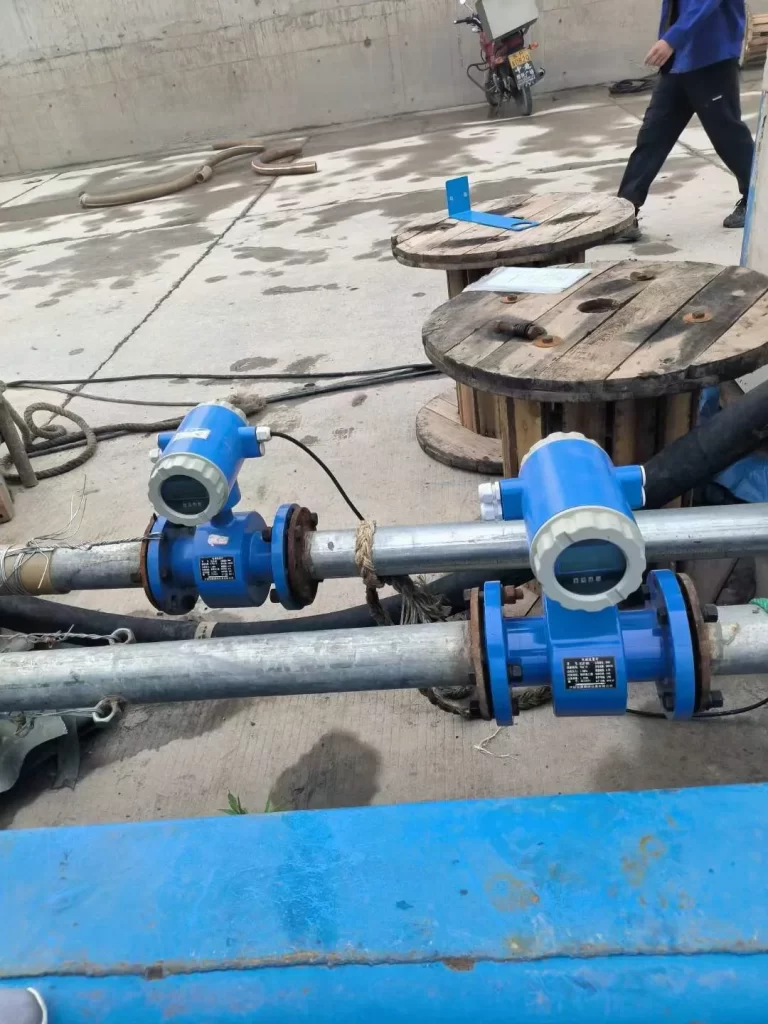
In enhancement to level measurement and pressure noticing, flow measurement plays a vital duty in industrial processes. Magnetic flow meters, which make use of Faraday’s Law of electromagnetic induction, supply a non-invasive approach of flow measurement without any moving parts, making them a preferred selection for applications entailing conductive liquids. Complementing these modern technologies, clamp-on ultrasonic flow meters provide a non-intrusive approach of flow measurement by securing onto the exterior of a pipeline.
In combination with pressure sensors, industries can maintain their operational integrity. Numerous types of pressure sensors, including vacuum pressure sensors and absolute pressure sensors, make it possible for organizations to manage the ambience and keep an eye on in which their items are produced, making sure optimal problems throughout the production procedure.
Discover inline flow meter the pivotal function of innovative sensors and transmitters in industrial automation, from ultrasonic level sensors to magnetic flow meters, and find out how these technologies enhance efficiency and accuracy across different applications.
With many flow meter options available, consisting of turbine flow meters, rotameters, and other types, businesses need to pick gadgets that meet their certain operational requirements, taking elements such as accuracy, range, and liquid characteristics right into account. Additionally, calibration is a necessary consideration for flow meters, especially turbine flow meter calibration, which guarantees that the gadget determines precisely over its designated range.
On the topic of oil and gas administration, diesel tank level indicators are coming to be significantly important as sectors look for to boost operational efficiency and reduce wastage. These gadgets give real-time monitoring of gas degrees, permitting firms to manage their stock efficiently and guarantee that procedures are not interrupted because of supply scarcities. In the same capillary, high-temperature pressure transmitters are important in procedures where extreme problems prevail, guaranteeing that exact pressure data is relayed also in atmospheres that might harm typical pressure picking up gadgets.
These sensors utilize radar innovation to gauge degrees within a tank, supplying boosted precision and reliability, especially for applications with varying densities or conditions that can or else prevent measurement precision. Hydrostatic level sensors use an additional approach for level measurement, using pressure to determine fluid height based on the hydrostatic pressure applied by the liquid above the sensor.
Check out flow meter manufacturer the critical function of advanced sensors and transmitters in industrial automation, from ultrasonic level sensors to magnetic flow meters, and find out exactly how these innovations boost efficiency and precision across different applications.
Generally, the working principle of pressure transmitters is basic for understanding how pressure dimensions convert into workable information. By transforming the gauged pressure right into an electrical signal, these transmitters permit for smooth interaction with control systems, enabling real-time monitoring and adjustments to processes. Industries heavily rely upon this information to keep safety, performance, and conformity with regulatory criteria.
Water flow meters, specifically, play an essential function in different industries, consisting of agriculture, production, and municipal water supply. By properly gauging the flow of water, businesses can guarantee they enhance their sources, keep top quality control, and stick to environmental guidelines. With the advent of wise technology, the assimilation of IoT with flow meters and various other sensors has changed how industries run. Automated data collection and evaluation allow anticipating maintenance, minimizing downtime, and enhancing overall performance.
In verdict, the diverse variety of transmitters and sensors available in today’s market empowers sectors to maintain high degrees of effectiveness and precision in their operations. The relevance of ultrasonic level sensors, differential pressure transmitters, inline flow meters, magnetic flow meters, and torque sensors can not be neglected, as they develop the foundation of modern industrial automation. Cooperation with trusted flow meter distributors, makers, and providers makes sure that organizations obtain the most effective feasible tools to handle their specific challenges. Eventually, the integration of innovative sensors, appropriate calibration, and constant renovation in measurement technology will drive future developments in industrial processes, making systems more reputable, safe, and efficient. As markets look in the direction of the future, accepting these modern technologies will be important for keeping competitiveness in a quickly advancing market.