

Intro: A Night Shift, A Small Delay, A Big Question
You are on the night shift. Pallets keep landing at Dock 3, and the pick team is one picker short. Robotics software sits on the screen, glowing in the control room. Teams try warehouse automation software to keep pace, but bottlenecks still pop up. Last week’s report shows 28% of AMR idle time during peak and a 12-minute average dock-to-rack cycle. That is not small, kan? So the question is simple: if robots are fast, why does the flow still feel slow?
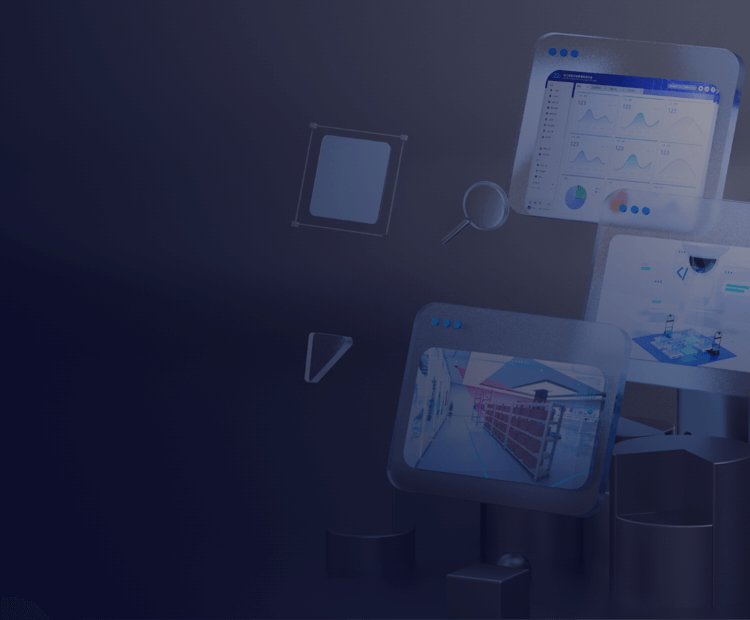
I share this because many sites face the same thing (different logos, same pattern). The data looks neat, but the aisle tells another story. People, pallets, and paths do not sync. And yet, the fix is not always more bots, lah. It is how the system decides. How it adapts when reality changes in five seconds. Let’s zoom in and see where the old playbook bends—and breaks.
Traditional Fixes, Modern Gaps
What breaks first?
Most sites start with static rules. If A then B. If C then D. It feels safe. But the warehouse is live. Pallets arrive off-schedule. Lifts need charging. Aisles get blocked. Static logic cannot flex fast enough. Look, it’s simpler than you think: the rule tree grows, and every branch adds delay. The AMR fleet controller waits on a stale priority. The message broker queues stack up. Then humans step in to “fix it,” and flow slows—funny how that works, right?
There is also a hidden tech mismatch. Edge computing nodes push real-time events, but the orchestration layer still polls in batches. SLAM localization updates at 10 Hz, yet task reassignments run every minute. PLC handshakes are hard-coded, so exceptions go manual. These gaps do not scream. They whisper: soft stops, micro-idle, small detours. Over a shift, the whispers add up to hours. Over a month, it looks like “we need more robots.” Often, you do not. You need a system that learns the floor, not just reads the map.
From Rules to Learning: A Comparative Look Forward
What’s Next
Now compare two paths. One stays with fixed workflows. The other adopts event-driven, learning control. The first path scales linearly. Each new SKU, zone, or dock adds more rules. More testing. More waiting. The second path treats tasks like a market. Orders bid for resources. AMRs bid for routes. The engine uses short horizons, then re-plans. Not every minute—every event. Think ROS 2 nodes firing signals, with guardrails at the edge. Fewer global locks. More local decisions. This is where modern warehouse automation software earns its keep.
We see it already in mixed fleets. Not the fancy lab demo—real sites. Energy-aware dispatch shifts work to units with better power converters. Congestion-aware routing pauses non-urgent moves before a choke point forms. Digital twin models run a quick “what-if” before the lift leaves the charger. The result is small but steady gains. Fewer resets. Shorter queues. Cleaner handoffs between people and bots. In short, the system stops guessing and starts listening. Wait, that’s not all. It also explains decisions, so ops leads trust the change, not fight it.
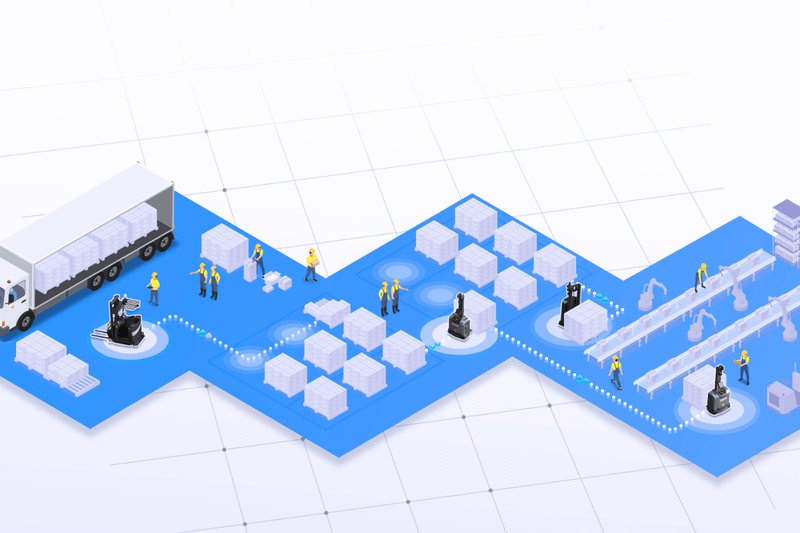
If you are choosing a platform, use three simple checks. One: time-to-replan under load (seconds, not minutes). Two: cross-layer visibility, from AMR telemetry to WMS tasks, without brittle glue. Three: learning safety—can it improve while keeping guard bands tight? Measure these, and you will see the fit fast. Your flow will feel lighter, and your team will talk less on the radio. That is the sign of real collaboration between humans and code. For more on practical builds and steady upgrades, see SEER Robotics.